Transforming a bathroom with thoughtful decor ideas can elevate daily routines into moments of calm. In this guide from an experienced design professional, you’ll find practical strategies to create cohesive themes, select color palettes, optimize lighting, and choose durable finishes that stand up to humidity. Whether you’re renovating or refreshing on a budget, these ideas are grounded in timeless principles and proven to improve both mood and resale value. By focusing on balance between form and function, you can achieve a space that feels premium without overhauling plumbing or fixtures.
Establish a cohesive design theme
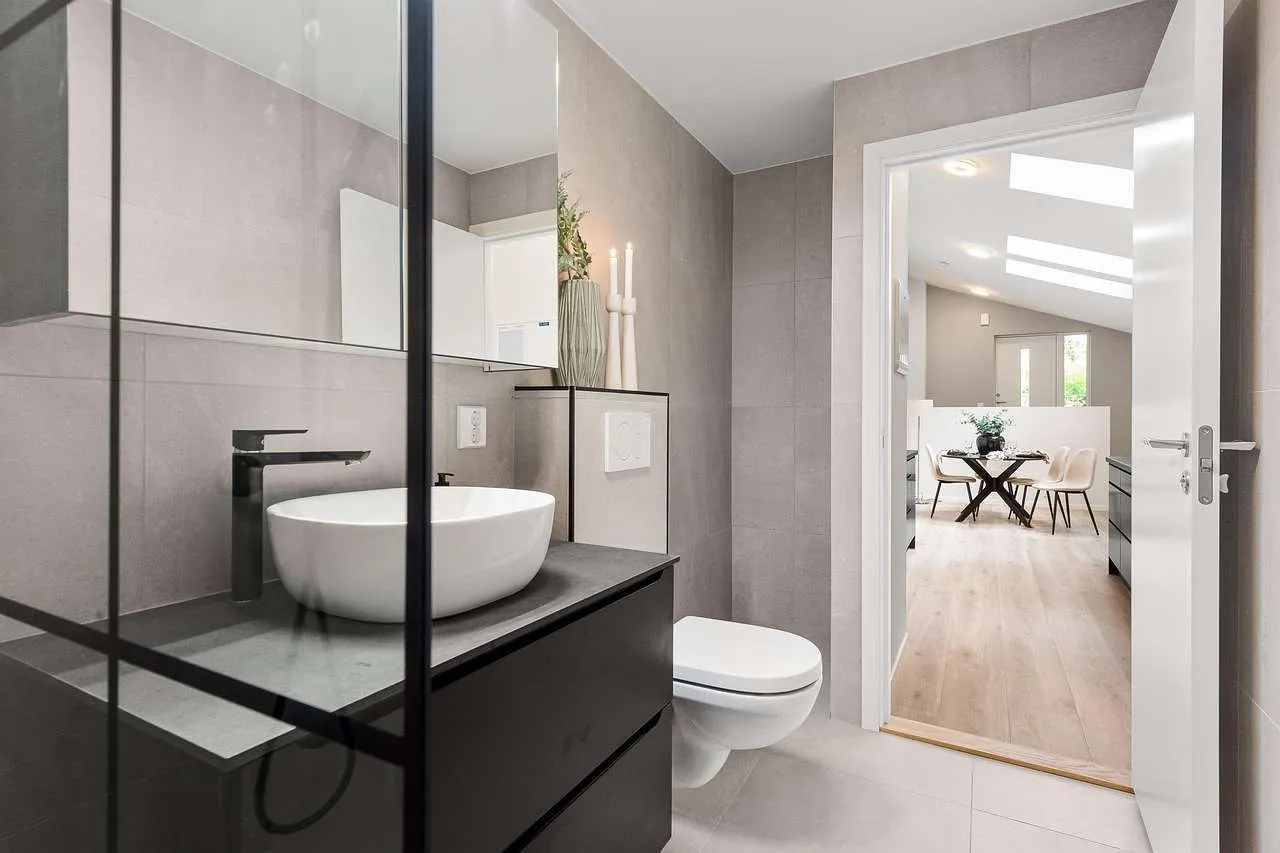
Begin by choosing a mood—serene spa, airy modern, or nostalgic vintage—and carry it through every decision. Pick three anchors: a primary color, a second accent, and a texture that adds warmth or interest. Use the dominant color on walls or tiles, the accent for towels or accessories, and a tactile material such as ceramic, stone, or wood veneer for vanity fronts or shelving. Maintaining consistent hardware finishes—matte nickel, brass, or matte black—pulls the look together and reduces visual noise.
Color palettes and finishes
Neutral bases like warm whites, soft grays, or sand tones create calm backdrops that make small baths feel larger. Add depth with an accent color drawn from natural materials—deep blue, forest green, or terracotta. In moisture-prone rooms, choose finishes with moisture resistance and easy cleaning, such as matte glaze tiles, quartz countertops, and epoxy-painted cabinetry. If you want a bolder statement, limit it to one wall or one pair of towels, so the space remains timeless rather than trendy.
Lighting and mirrors
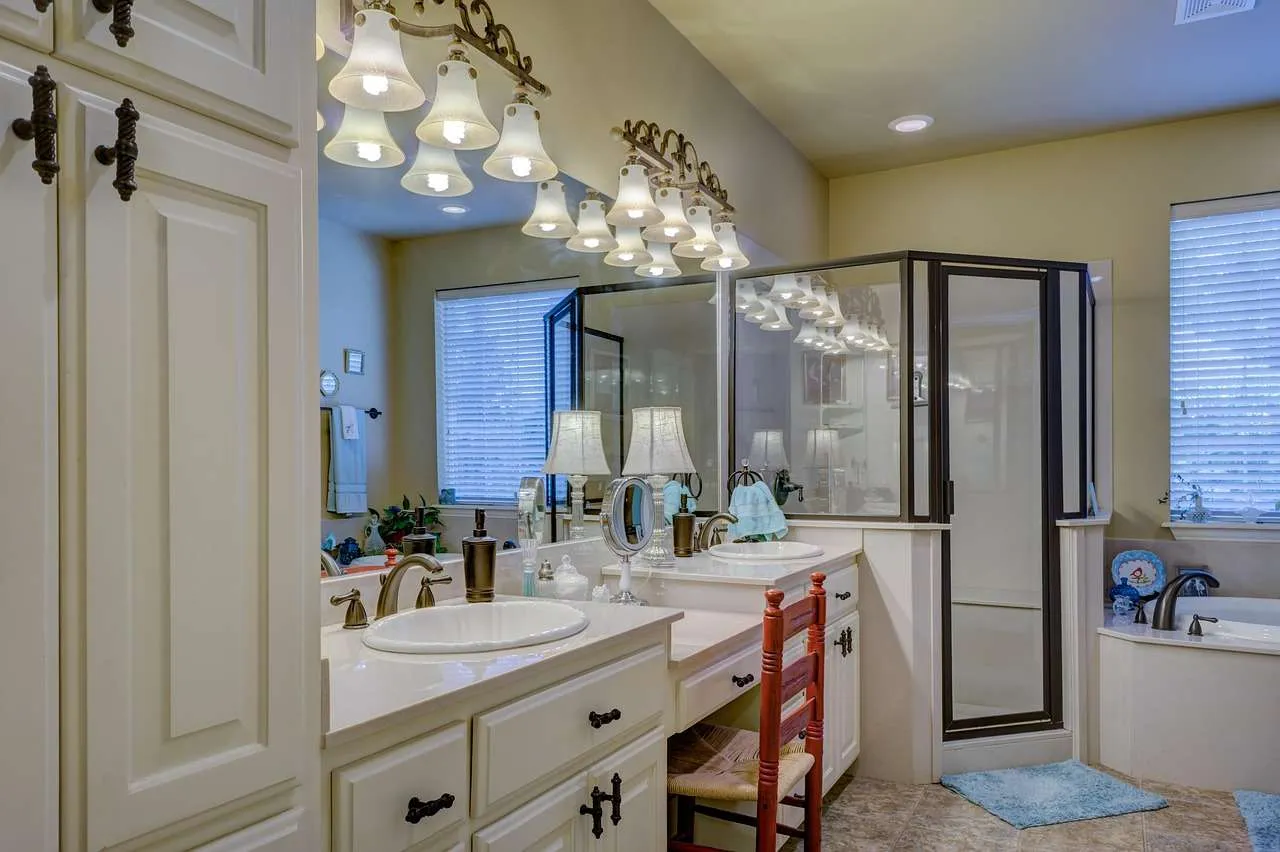
Layer lighting to shape the mood and support routines. Use a combination of task lighting around the mirror for shaving and makeup, ambient lighting for overall warmth, and accent lighting to highlight textures like tile relief or a wood vanity. Opt for daylight-balanced bulbs to reproduce true colors, and consider dimmable fixtures to shift from bright morning prep to a relaxing evening bath. A large mirror or two vertically oriented mirrors can visually expand the space, while backlit mirrors add a touch of high-end polish.
Storage and organization
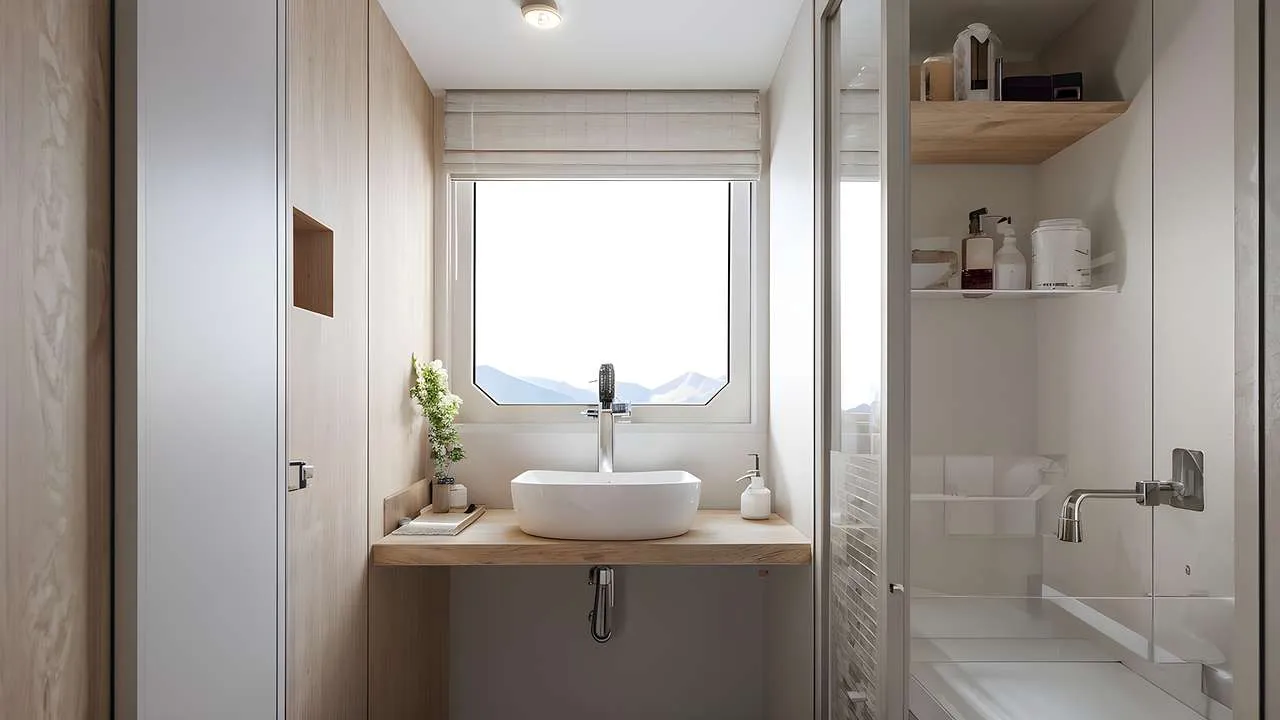
Smart storage is as crucial as good looks. Choose cabinetry with integrated pull-out organizers, tall linen towers, and shallow niches inside shower enclosures for soaps and bottles. Use baskets, acrylic bins, and labeled containers to keep counters clear. Vertical solutions, such as wall-mounted cabinets and towel bars, free up floor space and stabilize the room’s proportions. If you have a small bath, a shallow vanity with a roomy underside shelving can store essentials without crowding the room.
Materials and finishes
Durability and moisture resistance should drive material choices. Porcelain and ceramic tiles offer resilience and easy cleaning, while natural stone delivers luxury but requires sealing and maintenance. Solid-surface countertops such as quartz combine durability with a seamless look and easy repair. For shower walls, consider acrylic panels or glass as low-maintenance alternatives to grout-heavy surfaces. Keep metal finishes consistent—brushed nickel, brass, or matte black—to reinforce the chosen mood and enhance perceived quality.
Accessories and textiles
Towels, rugs, and soap dispensers are low-cost levers for updating the vibe. Choose textiles in colors that echo the walls or tiles, and layer textures—soft cotton towels with a woven basket and a pebble bath mat. Add greenery with humidity-tolerant plants like pothos, ZZ plants, or peace lilies to bring life and freshness. Curate a few sculptural accessories, such as a stone tray, a teak soap dish, or a minimal wall hook, to create focal points without clutter.
Budget-friendly ideas and maintenance
You don’t need a full gut renovation to elevate a bathroom. Repaint walls with a moisture-rated enamel, replace outdated fixtures with modern, water-efficient options, and refresh hardware with cohesive finishes. Thrift or refurbish vanity hardware, install peel-and-stick tile patterns, or swap old curtains for moisture-resistant blinds. Regular maintenance—checking caulk, sealing grout, and cleaning ventilation—extends the life of your decor and preserves the plan’s visual integrity.
Material choices at a glance
| Material | Pros | Cons | Cost range | Best for |
|---|---|---|---|---|
| Porcelain tile | Durable, moisture resistant, versatile | Can feel hard; cold underfoot | 2-8 per sq ft | Floors and walls in busy baths |
| Natural stone | Luxurious look, unique veining | Porosity; sealing required | 8-25+ per sq ft | Feature walls or shower niches |
| Ceramic tile | Affordable, wide range | Less durable than porcelain | 1-6 per sq ft | Walls and backsplashes |
| Quartz solid surface | Consistent color, easy to clean | Higher cost | 25-60 per sq ft | Vanity tops and shower benches |
| Acrylic shower panels | Low maintenance, quick install | Limited heat resistance | 3-10 per sq ft | Budget showers and enclosures |
When selecting finishes, consider the room’s humidity, routine cleaning, and your long-term goals. Working with an insured contractor and relying on reputable product data helps keep projects on track and reduces the risk of moisture-related damage or warranty issues. The advice above reflects industry best practices used by professional designers and remodelers to create resilient, beautiful bathrooms.
Conclusion, a well-executed bathroom decor plan blends theme, color, light, and practical storage into a calm, functional retreat. By choosing a cohesive palette, layered lighting, durable materials, and thoughtful accessories, you create a space that feels premium yet approachable—built to endure daily use while adapting to evolving tastes.