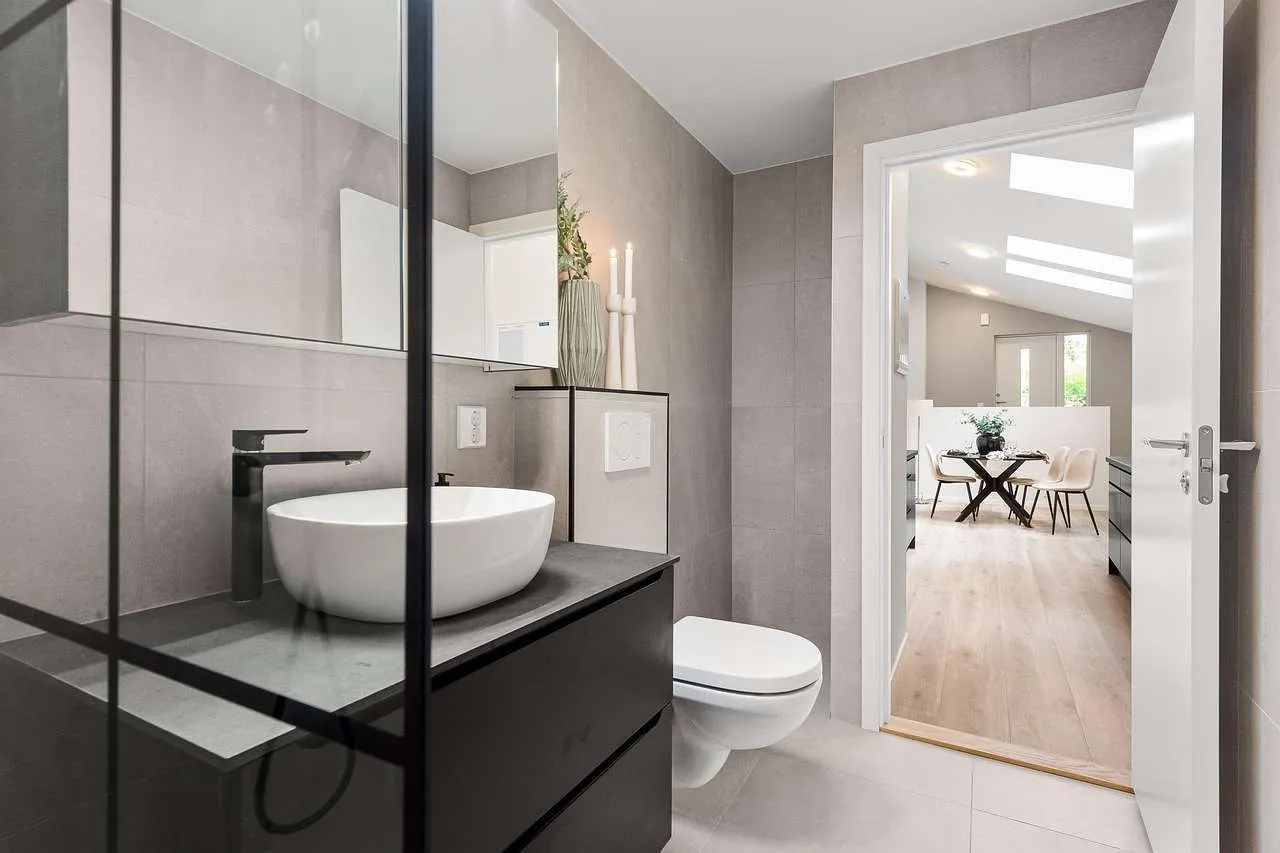
Small bathrooms demand clever design that blends form and function. In this guide we share small bathroom ideas grounded in practical space planning, durable materials, and efficient storage. Whether you are renovating a powder room or redesigning a compact master bath, the aim is to create a brighter, more open feel while preserving comfort and reliability. The tips reflect hands on experience from professional designers and reputable remodeling guidance and emphasize safety, code compliance, and long lasting results.
Planning for a Small Bathroom
Start with accurate measurements of floors, walls, door swings, and any built in plumbing. A well considered layout reduces wasted space and improves flow. Consider a zone approach that keeps wet areas away from dry zones and position the toilet and vanity to leave at least 80 cm of clear space for movement. If possible, consult a licensed contractor to verify plumbing locations and ensure that changes meet local codes and moisture management standards.
Layout ideas
In a tight footprint, maximize a single wall for fixtures or use a corner configuration. Pocket doors or barn doors save space that a standard swinging door would occupy. When plumbing allows, a corner shower with a frameless glass panel can visually expand a small bath by reducing visual bulk.
Space Saving Storage
Vertical storage is your best friend. Install wall mounted cabinets or open shelving above the vanity to keep counter space clear. Recessed niches in the shower and above the tub or behind the door can hold toiletries without intruding on the room. A shallow medicine cabinet with a mirror adds function and reflects light for a brighter feel. A compact floating vanity with integrated sink provides storage drawers while keeping the floor visible for ease of cleaning. If possible, choose vanity with a toe kick and soft close hardware to maintain a neat look.
Fixtures and Materials
Choose fixtures that maximize perceived space. A wall mounted toilet can free floor area, while a compact vanity with a slim profile reduces clutter. Light colored or glossy surfaces reflect light and make the room feel larger; consider tiles in pale neutrals or soft pastels. Durable, water resistant materials such as porcelain, ceramic, glass, and solid surface countertops are ideal for busy bathrooms. For small rooms, clear glass shower doors and frameless enclosures maintain openness and minimize visual barriers.
Lighting Strategies
Layered lighting is essential in small bathrooms. Use a combination of ambient ceiling light, task lighting above the mirror, and subtle accent lighting to add depth. LED strips under vanity rims or around mirrors can brighten corners without bulky fixtures. Ensure the lighting color rendering index is high for accurate color feel, especially when selecting wall finishes and vanity tones. Lighting plan should consider humidity and electrical safety in damp zones.
Color and Decor
Soft, light palettes such as warm whites, pale grays, and airy blues create an illusion of space. Use large mirrors or a wall length mirror to bounce light and visually expand the room. Minimal decor reduces clutter; a single bold accent piece or a natural texture such as stone or wood can add personality without shrinking the space.
Design Ideas Comparison Table
Below is a quick comparison of three popular small bathroom design ideas to help you choose based on space, budget, and maintenance.
| Design idea | Pros | Cons | Best for |
| Wall mounted vanity with slim sink | More floor space, easy cleaning | Higher installation cost, needs wall support | Medium to large tiny baths |
| Curbless shower with glass panel | Feels open, easy access | Water splash risk if not properly tiled | Small master bathrooms |
| Recessed niches and mirrored cabinet | Smart storage, reflects light | Limited depth for storage and higher installation | Bathrooms with deep walls |
Summary Small bathrooms can feel expansive with the right layout, materials, and storage ideas. Prioritize vertical space, opt for light colors and reflective surfaces, and choose fixtures that reduce clutter. Layer lighting to create depth, and use a well engineered plan to ensure plumbing and moisture management meet current codes. With careful selection and professional input, a compact bath becomes both beautiful and highly functional.