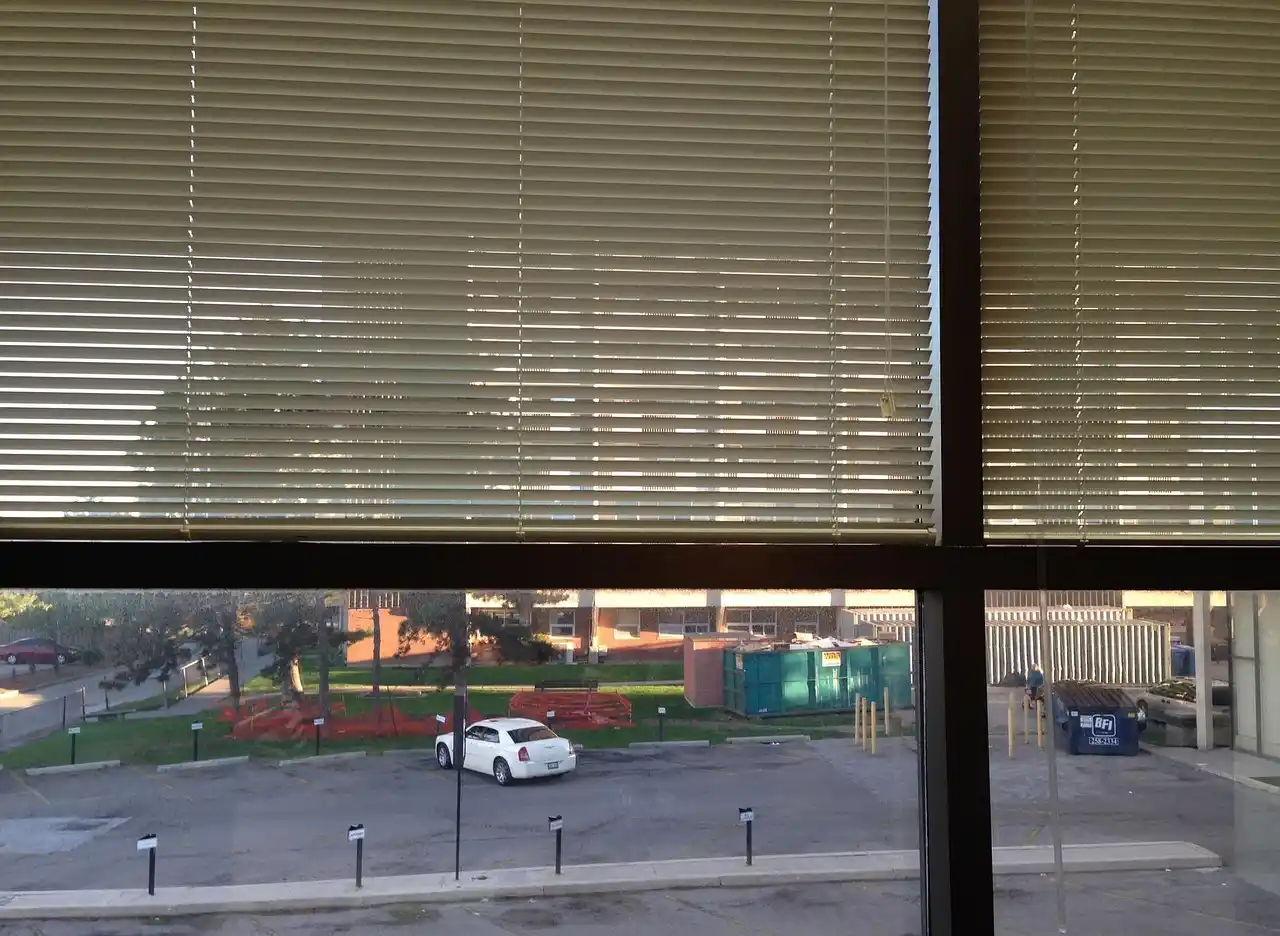
Introduction: What is Home Window Tinting?
Home window tinting involves applying a thin film to glass surfaces to reduce heat, glare, UV exposure, and improve privacy. Modern films are designed for residential use and can be installed on most standard windows with minimal disruption.
Benefits of Home Window Tinting
Investing in home window tinting offers several advantages that impact comfort, energy bills, and furniture protection.
- Energy savings: The film reflects or absorbs heat, reducing cooling loads in hot climates.
- UV protection: Most films block up to 99% of harmful UV rays, shielding furnishings and flooring from fading.
- Glare reduction: Lower glare improves television viewing, computer work, and daytime comfort.
- Privacy and safety: Tinted windows deter peeking and can help hold shattered glass together in accidents.
- Aesthetic and resale value: A uniform tint can enhance curb appeal while preserving natural light.
Types of Window Tinting for Homes
Residential window films vary in composition and performance. Here are the common options:
Dyed Window Film
Inexpensive and effective for darkening interiors, but less durable and prone to fading or staining over time.
Metalized Window Film
Contains metallic layers that improve heat rejection but may cause reflections and can interfere with electronics if installed improperly.
Ceramic Window Film
Non metalized and highly durable, offering excellent heat rejection, strong UV blocking, and clear visibility.
Carbon/Nano-Ceramic Window Film
Advanced films that block infrared heat, resist discoloration, and maintain high clarity, with strong long-term performance.
Choosing a Professional for Home Window Tinting
Work with licensed installers who use manufacturer-certified products and provide warranties. Check reviews, request before/after photos, and verify they understand local tinting regulations and VLT (visible light transmission) limits.
Installation Tips & Maintenance
Prepare by cleaning glass surfaces, avoiding sunlight during installation on hot days, and ensuring proper ventilation until the film sets. Clean with a soft cloth and non-ammonia cleaners to avoid streaks and edge lift.
Cost, ROI, and Longevity
Costs vary by film type, window size, and labor. Typical installed prices range from a low-cost dyed film to premium ceramic or carbon options. While upfront costs can be higher for high-performance films, energy savings and extended furniture protection create long-term value, often with warranties of 10–20 years.
Comparison of Tint Types
| Type | Heat Rejection | UV Rejection | Glare Reduction | Visibility | Durability | Typical Cost (per sq ft) | Notes |
|---|---|---|---|---|---|---|---|
| Dyed | Moderate | Moderate | Good | Good | Moderate | $2–$4 | Budget option; fades over time |
| Metalized | Good | Good | Excellent glare control | Fair | Moderate | $3–$7 | EMI considerations; may impact electronics |
| Ceramic | Excellent | Excellent | Strong | Excellent | High | $6–$12 | Premium performance, non metal |
| Carbon/Nano-Ceramic | Excellent | Excellent | Excellent | Excellent | High | $8–$15 | Best overall performance |
Conclusion
Selecting the right home window tinting solution combines climate, budget, and aesthetics with professional installation. Always prioritize UV protection, durability, and warranty, and comply with local regulations to maximize the value of your investment.
Summary: By choosing the right film type and a qualified installer, home window tinting delivers energy savings, UV protection, and enhanced comfort while protecting interiors and preserving views.